
What is a hedge?
Here are some definitions
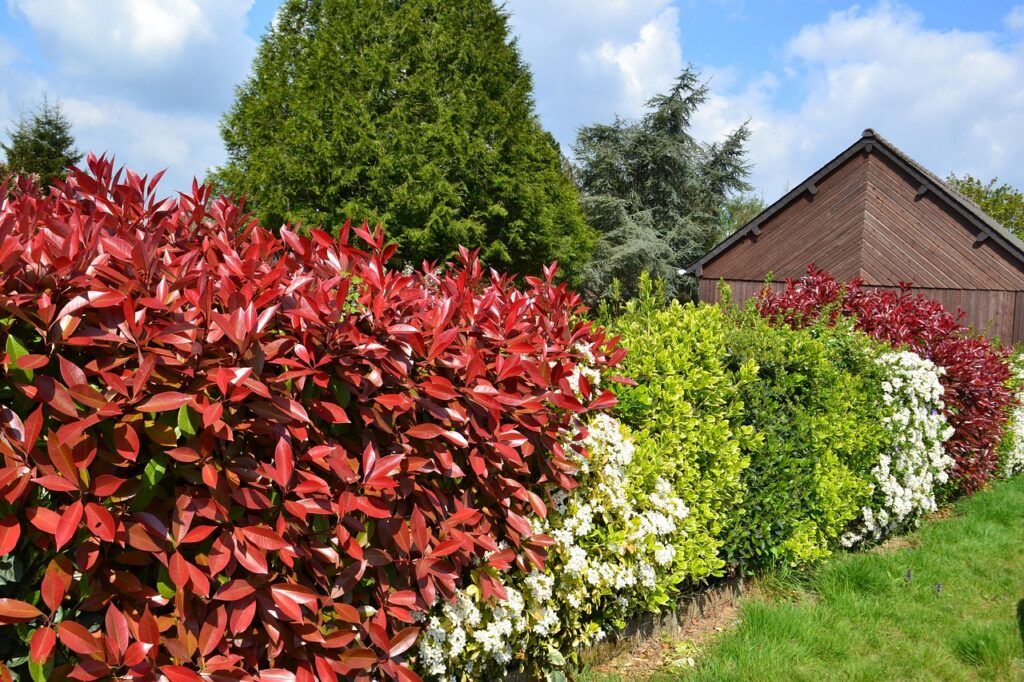
The judge in the case of Stanton v Jones defined a hedge as ‘a number of woody plants, whether capable of growing into trees or not, which are so planted as to be in line and which, when mature, to be so integrated together as to form both a screen and a barrier’. The judge also pointed out that a hedge need not represent or constitute the precise line of a boundary because hedges might be planted away from a boundary.
A fence or boundary formed by a dense row of shrubs or low trees. Merriam Webster
A hedge is a line of closely spaced (3 feet or closer) shrubs and sometimes trees, planted and trained to form a barrier or to mark the boundary of an area, such as between neighbouring properties. Wikipedia
A hedge is defined as a row of woody bushes or trees, usually less than 5m wide at the base, often along the edge of a garden. The Tree Council
A High Hedge, under Part 8 of the Anti-social Behaviour Act 2003, is defined as consisting of two or more mostly evergreen or semi-evergreen trees or shrubs more than 2 metres above ground level. The hedge may have gaps in the foliage or between the trees whilst still capable of obstructing light or views.
‘What is a hedge?’ is a simple question but without a definitive answer. What is the difference between a hedge and a hedgerow is another question for another day.
Are Hedges Protected?
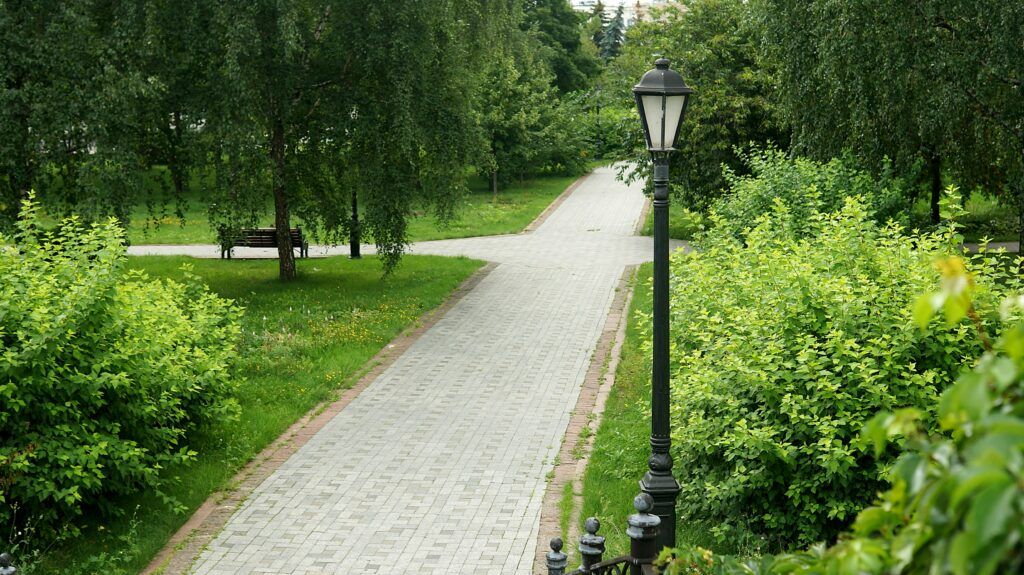
Some trees are protected by legislation, and it is essential that you establish the legal status of trees prior to carrying out works to them. Unauthorised work to protected trees could lead to prosecution, resulting in enforcement action such as fines or a criminal record. Tree Preservation Orders, Conservation Areas, Planning Conditions, Felling Licences or Restrictive Covenants legally protect many trees in England.
- A Tree Preservation Order cannot be placed on a hedge.
- A Conservation Area protects all trees with a stem diameter of 75mm or more, measured 1.5m above ground level.
- Planning conditions are frequently used by local authority as a means of securing the retention of trees and hedges during development and for a period following completion of the development.
- Felling Licences do not apply to hedges.
- A Restrictive Covenant placed within property deeds can protect a hedge by legally restricting its removal or managing its height.
Conclusion
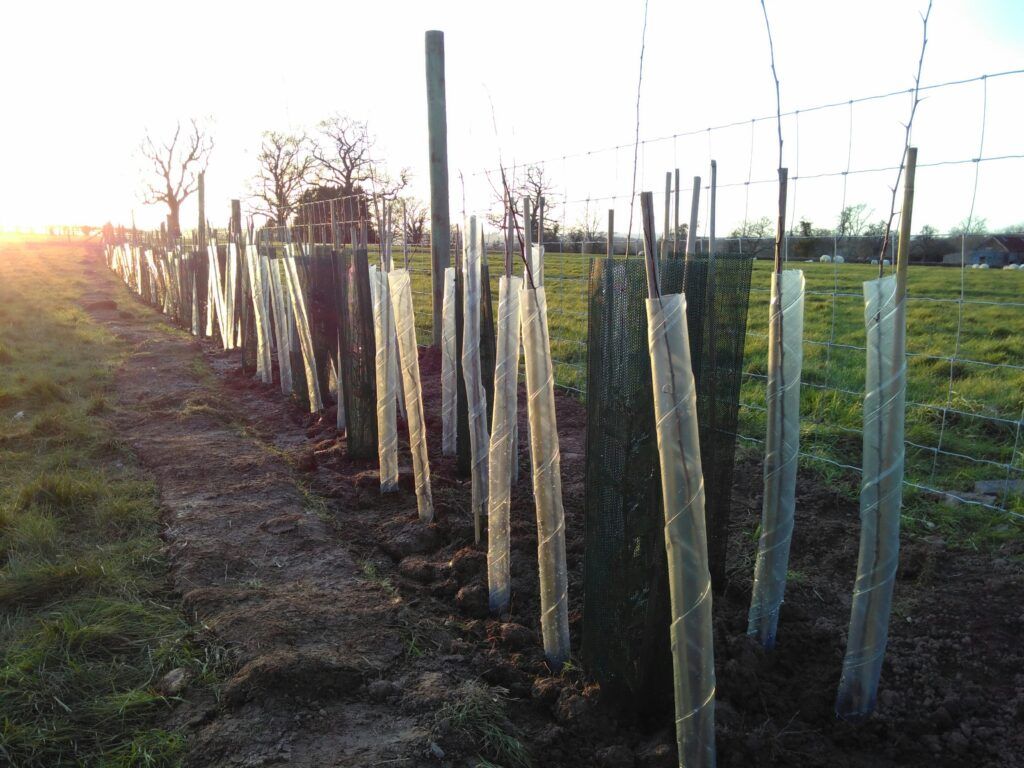
There is no universally accepted definition of a hedge, and determining whether a hedge is protected, or not, depends upon how it is defined within relevant legislation and agreements.