Rock-a-bye baby, in the treetop
When the wind blows, the cradle will rock
When the bough breaks, the cradle will fall
And down will come baby, cradle and all

The Beaufort scale, as used by the Met Office, is an empirical measure for describing wind intensity on land and sea based on observed conditions. On land, trees can be used to gauge wind speed, hence when the wind blows at 4 to 7 miles per hour the leaves rustle, but when the wind blows at 39 to 46 miles per hour boughs may break, and down will come baby, cradle and all.

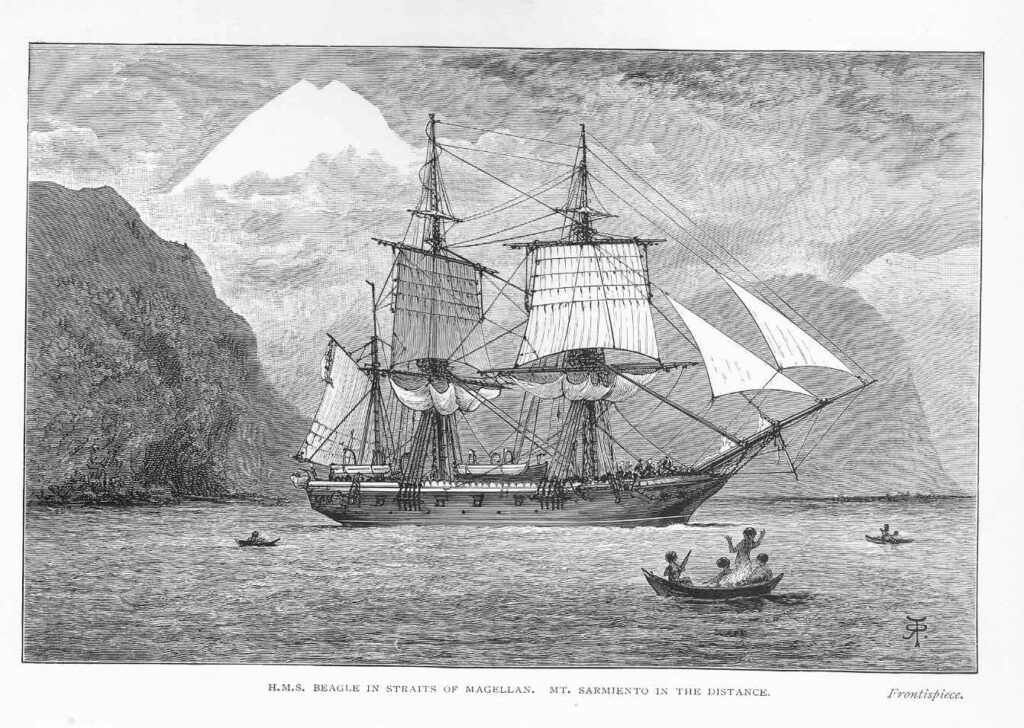
The scale was devised in 1805 by Francis Beaufort (later Rear Admiral Sir Francis Beaufort), while serving as an hydrographer on HMS Woolwich. The scale that carries Beaufort’s name had a long and complex evolution, and was based on work completed by Daniel Defoe, and others a century earlier. The Beaufort scale was officially adopted, and first used, during the voyage of HMS Beagle under Captain Robert FitzRoy, who later would set up the Meteorological Office (Met Office) in Britain to provide regular weather forecasts.