
The following information is taken from an blog written by Jessie Keith.
All ancient festivals relating to Halloween involved the annual harvest as well as fruits, herbs, trees and vegetables that were believed to have mystical properties. Plants historically linked to Halloween were most often used to ward off evil, gain good health or even tell the future. Some typical examples include fruits and vegetables carved into Jack ‘O Lanterns as well as apples, elderberries, hazelnuts and rowan.
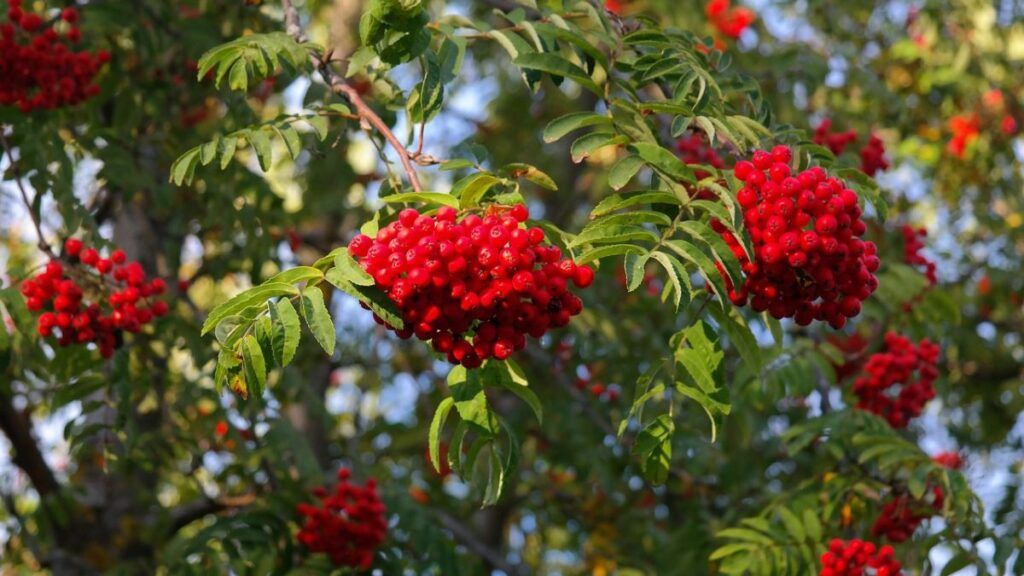
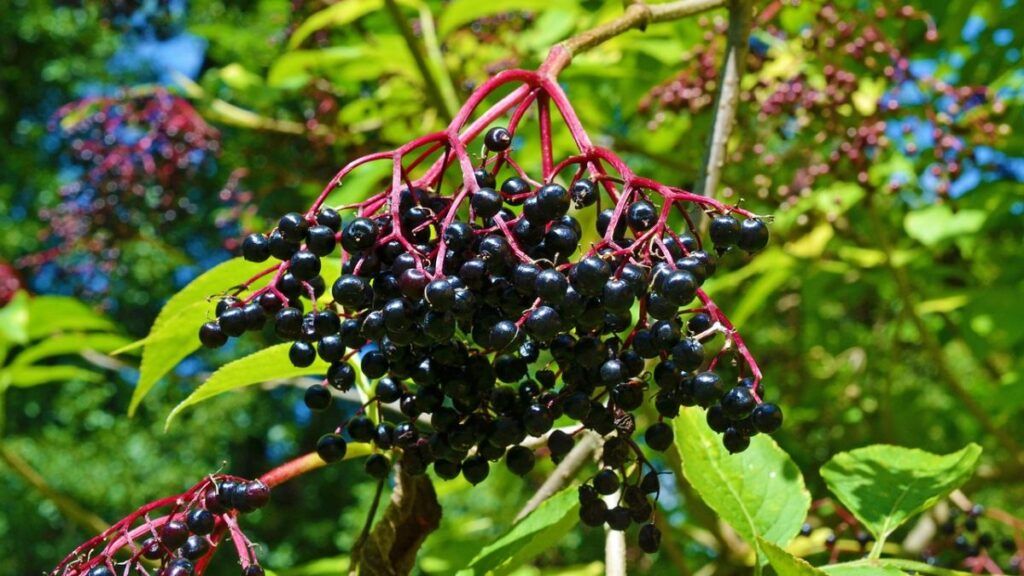
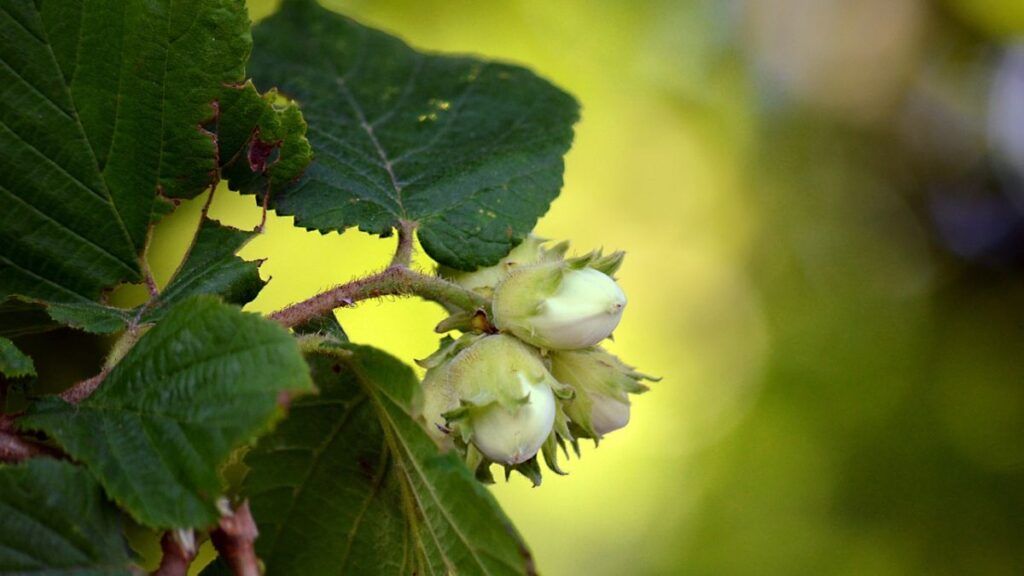
Rowan, Elderberry and Hazelnut to ward off evil
European rowan (Sorbus aucuparia), elderberry (Sambucus nigra), and hazelnut (Corylus spp.) are three woody plants once believed to ward off witches, evil spirits and offer protection on All Hallows’ Eve. The ancient Celts believed that rowan berries magically gave good health and that rowan trees planted near gravesites would help the dead sleep. Branches were also used as dowsing rods, and crosses made of rowan twigs were carried for protection on Halloween.
In old Europe, elderberry branches held above doorways were thought to protect homes from malevolent spirits and witches. And, though bonfires are still a part of many European Halloween celebrations, tradition dictates that elderberry should never be burned as this will invite death or the devil.
Hazelnut trees and their nuts were thought to hold equally potent powers on Halloween night. Strands of hazelnuts worn or kept in the home would bring good luck. They were also used in divination practices and carried by young women to ensure fertility for the coming year.
Apples on All Hallows’ Eve
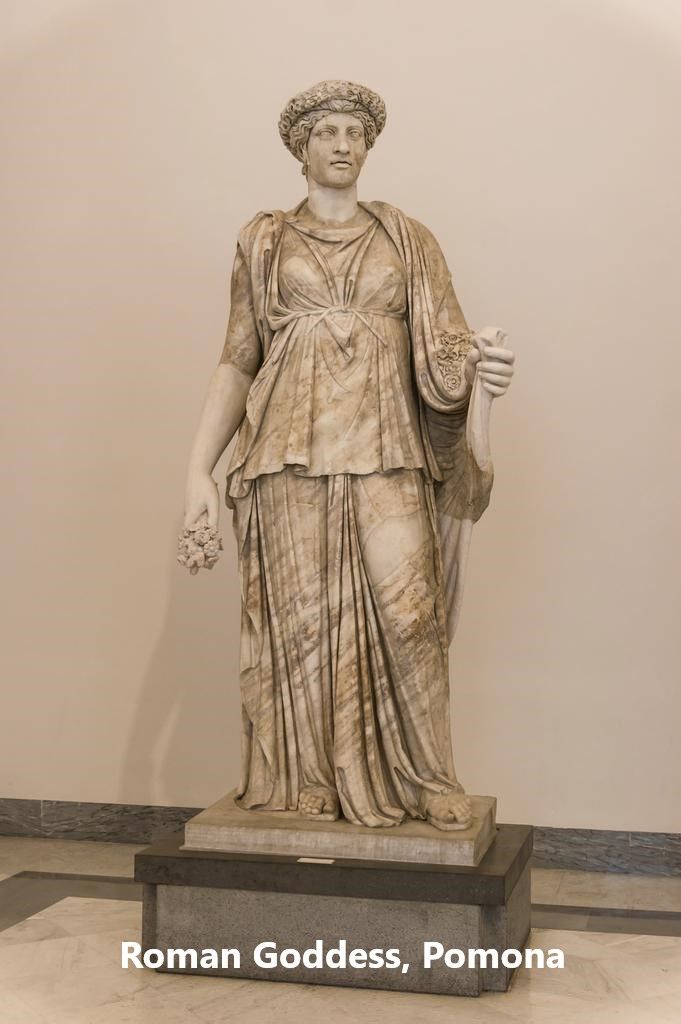
Apples are ancient fruits that have been long associated with Halloween traditions. Halloween has roots in the ancient Roman harvest festival, Pomona, named after the Roman goddess of apples and trees. Pomona and her autumn fruits symbolised romantic love and fertility.
Most European pagan religions applied important symbolism to the apple. During the Celtic feast of Samhain, the druids are said to have used apples to foretell the future in divination ceremonies. The ancient practice of using apple peelings for divination was a common Halloween game until the early twentieth-century. The length of the peel and pattern it created when falling were used to determine one’s longevity.
Other age-old apple games are still popular today. The Halloween traditions of bobbing, ducking or diving for apples, have been American favorites since Victorian times. Most of these games are thought to have originated from seventeenth-century Ireland. Apples were put in a tub of water, and those able to bite a bobbing apple hands-free would be blessed with good health and luck for the coming year. Others used it as marriage divination; the first to bite an apple would be the first to marry. A similar game, called snap apple, was played with apples hung from strings.
Vegetable Jack ‘O-Lanterns
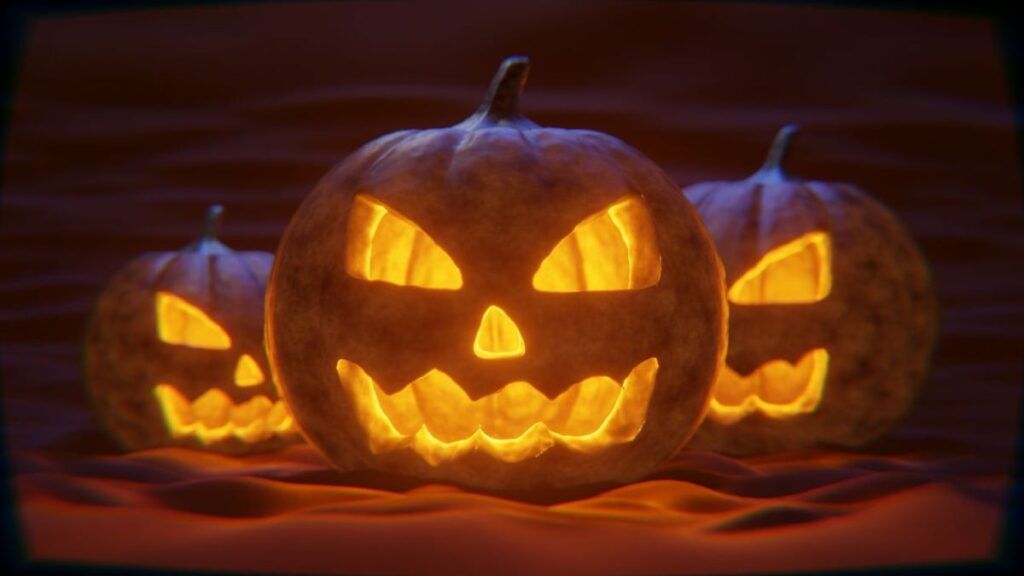
A combination of Old World and American traditions led to the hugely popular Halloween Jack ‘o-lantern. The Irish legend of Stingy Jack, a character that fooled the devil using devious, unorthodox means, inspired the first Jack ‘o-lanterns. As the story goes, when Jack died, neither God nor the devil wanted him, so they turned him away with nothing more than a burning ember for light. Jack hollowed out a turnip to hold the ember, and Jack of the Lanterns has been wandering the countryside with his glowing turnip ever since.
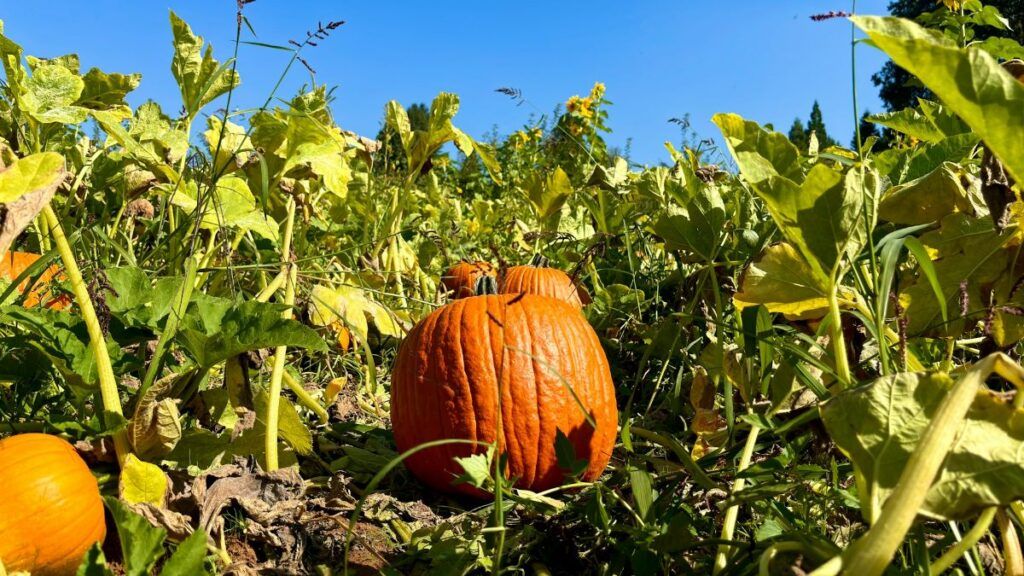
The Irish, Scots and English carved faces into turnips, rutabagas, potatoes and beets and lit them on All Hallows’ Eve to frighten away Stingy Jack and other evil spirits. This tradition was then brought to the Americas. It was the influence of mid-nineteenth century Irish immigrants that lead to the carving of pumpkins for Jack ‘o-lanterns. Pumpkins (Cucurbita pepo) are New World vegetables, so they are true symbols of American Halloween.
These are just a few of the many plants and fruits with roots in the ancient festival of Halloween. Knowing them makes the holiday a little richer and helps us understand the importance and role of seasonal plants in our traditions.
Reference: https://fafard.com/halloween-plant-lore/