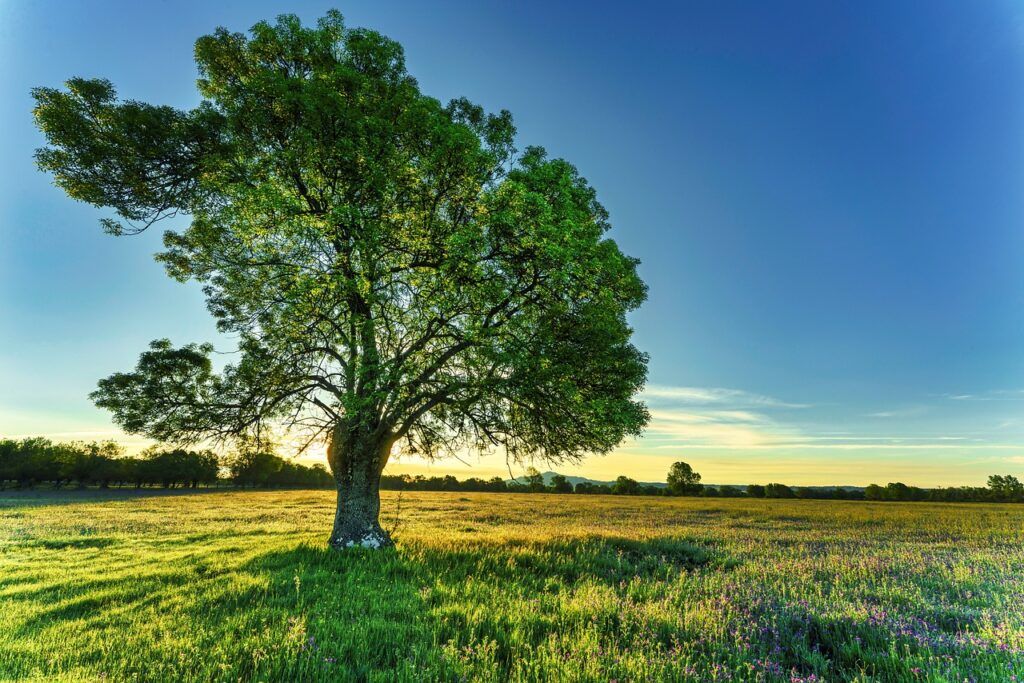
Ash trees are native to the British Isles, they are our third most common tree, after birch and oak, and account for some 12% of all our trees (Forest Research). They are found in woodlands, hedgerows, parks and gardens right across the country and form part of the nation’s cultural heritage. They are also valuable habitats for over 1,000 species of wildlife, including a wide range of mammals, birds, invertebrates, plants and lichens.
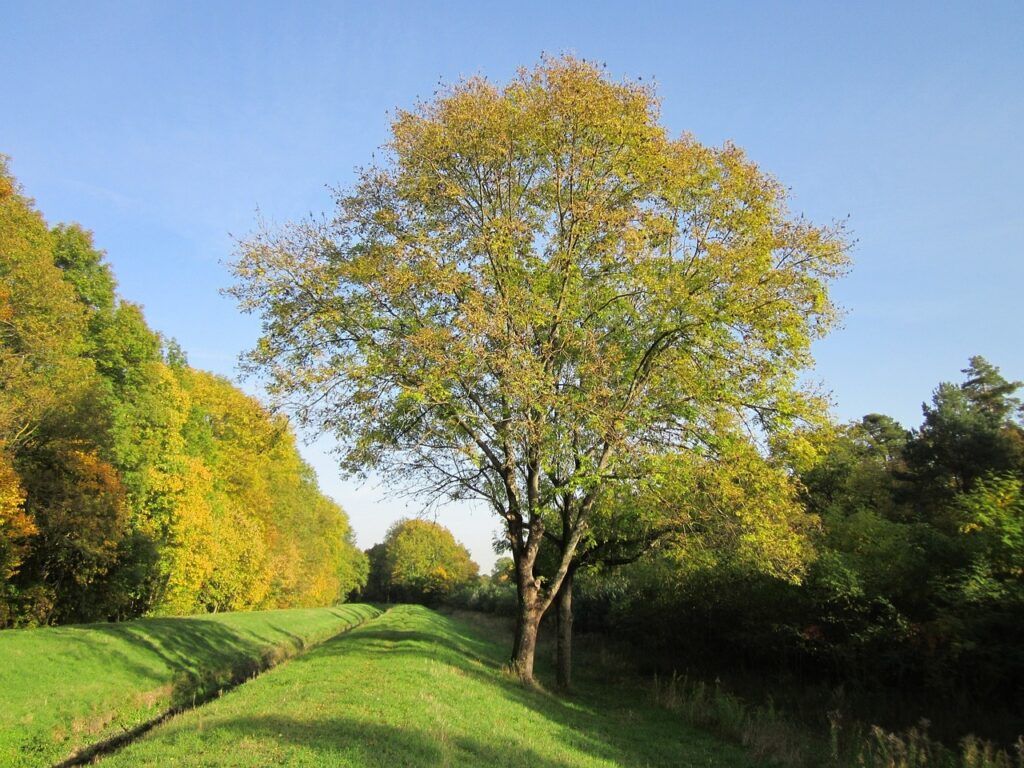
Ash dieback (Hymenoscyphus fraxineus), also known as Chalara and Chalara dieback, is a fungus that originated in Asia, arrived in Europe in the early 1990’s and was first identified in England in 2012, although it was probably here some years earlier. Over the next few years the disease spread across England to Scotland, Wales, Northern Ireland, and the Isle of Man.
The fungus has two stages to its lifecycle – a sexual stage, which helps the fungus spread, and an asexual stage, where the fungus develops and grows with in the tree itself. The fungus blocks the transport of water in the tree, leading to lesions in the bark, leaf loss and the dieback of the crown, which gives the fungus it’s common name.
Anecdotal evidence would suggest the disease has spread as far and wide across the UK as it is likely to spread, it has infected as many trees as it is likely to infect, and the infected trees are as infected as they are likely to be. Indeed, the evidence is that we have turned the corner, and many trees are now recovering and producing new growth.
The likelihood and the rate of recovery depends on a number of factors including the extent of the dieback and the vitality of the individual tree. The dieback is categorised into four classes, based on the extent of defoliation caused by the disease. Class 1 is less than 25% defoliation, class 2 is 26 to 50% defoliation, class 3 is 51 to 75% defoliation and class 4 is over 76% defoliation.
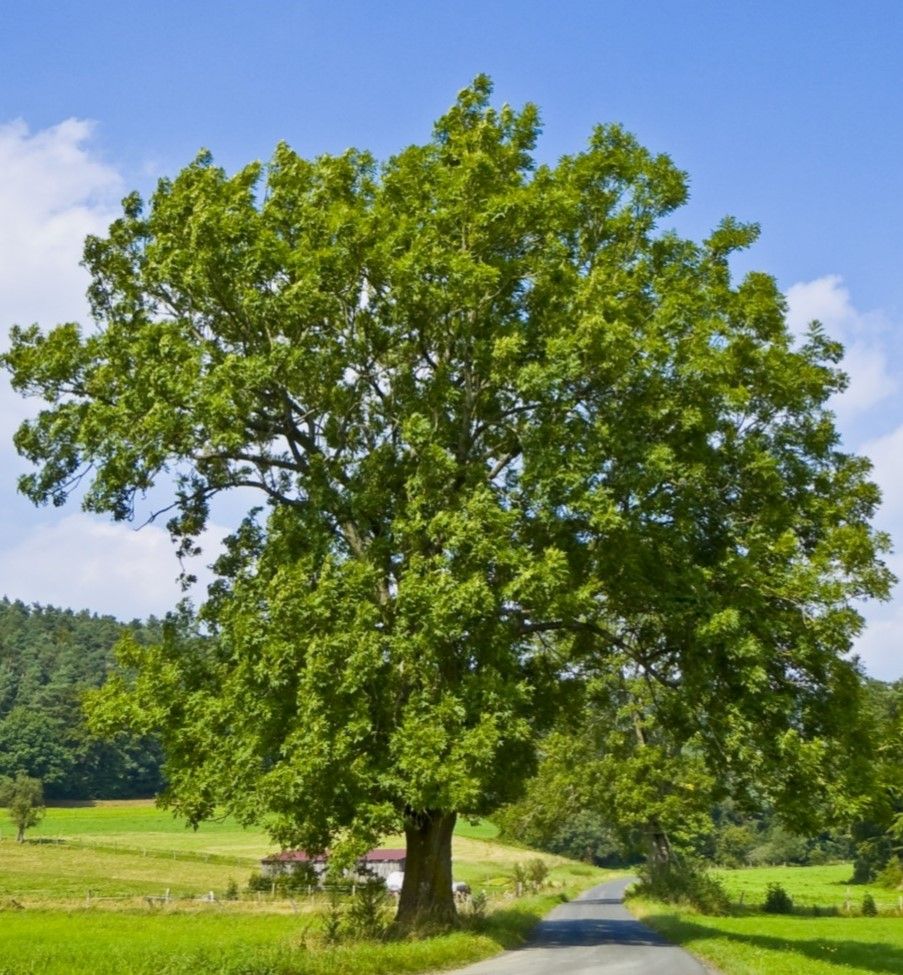
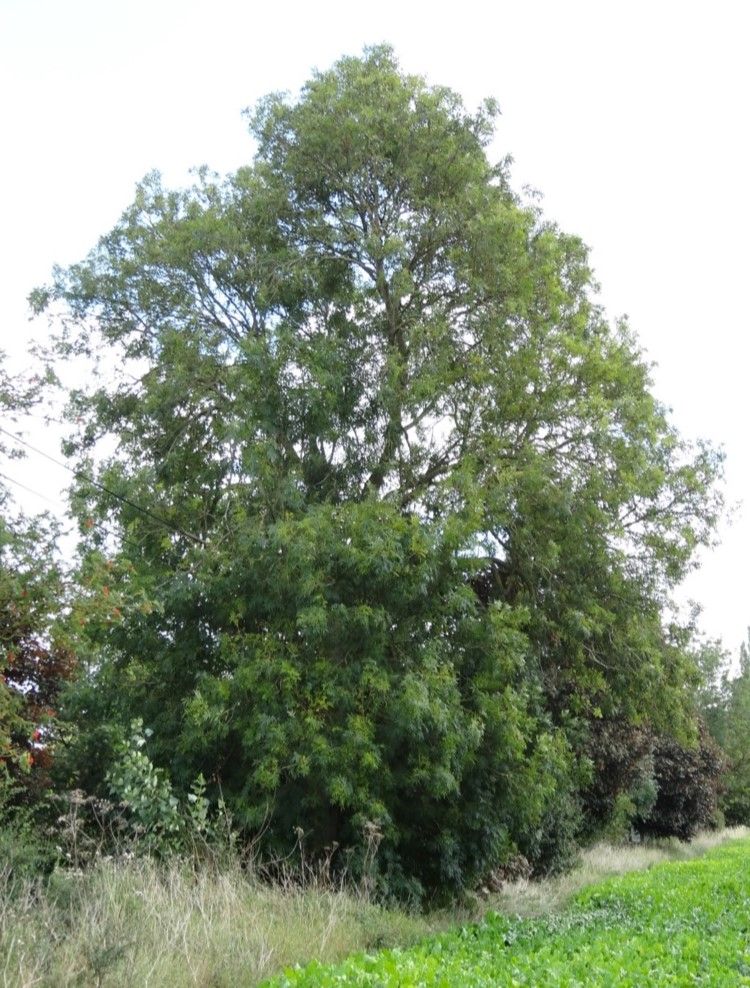
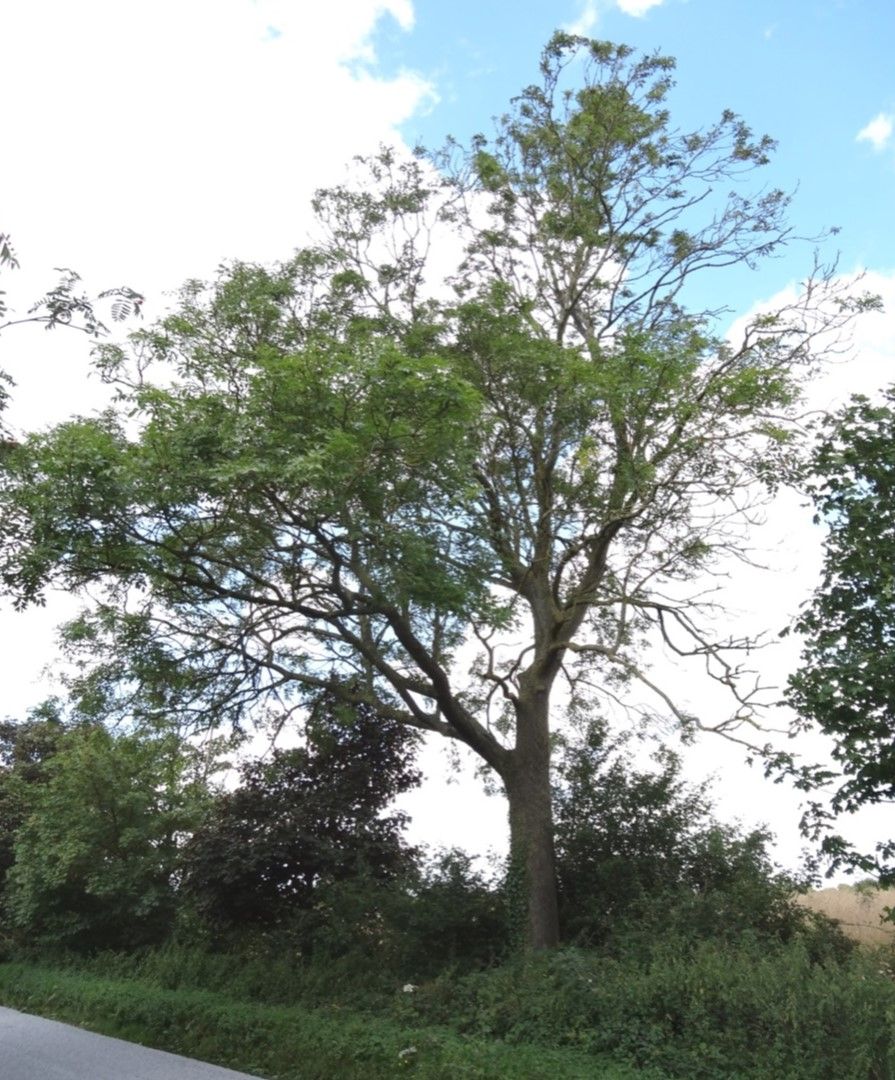
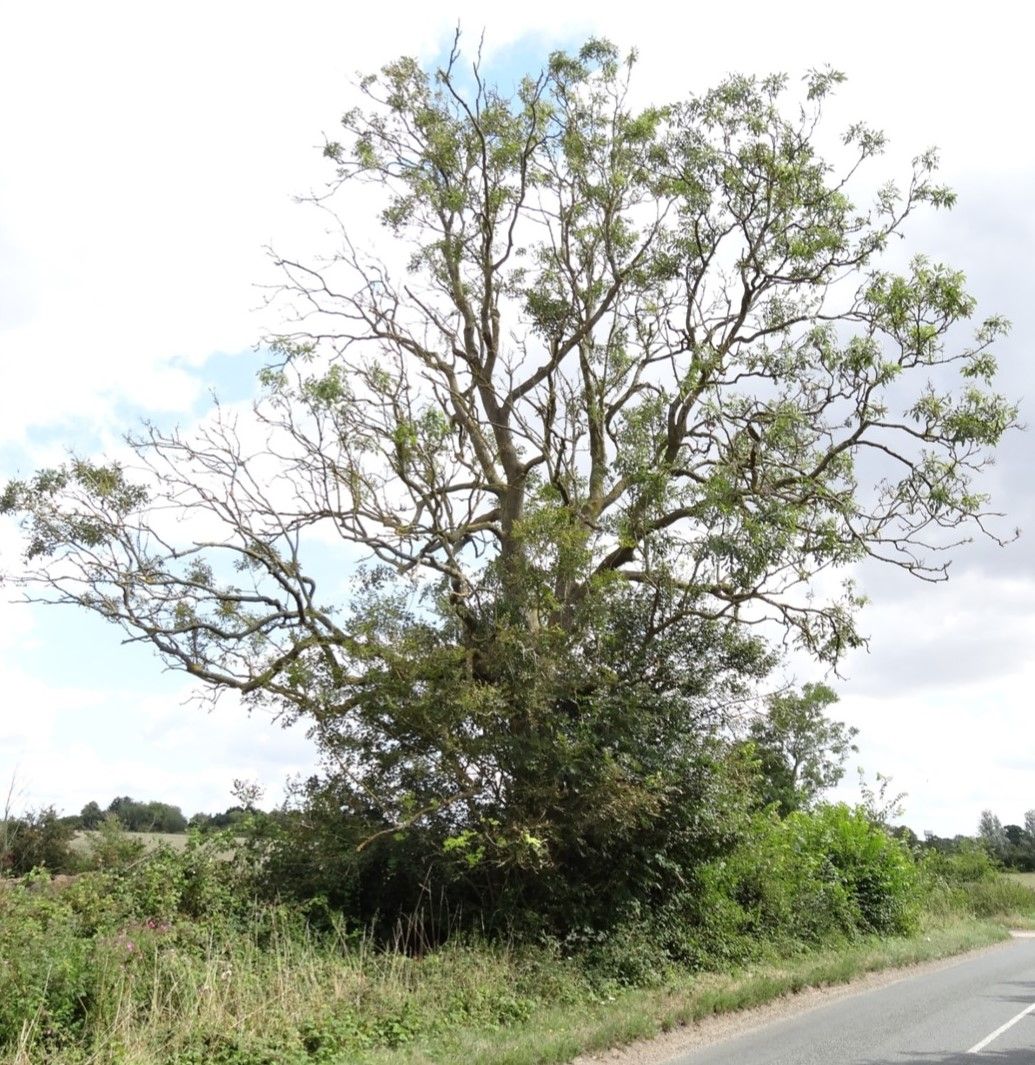
Based on current evidence, trees with class’s 1 and level 2 defoliation will almost certainly recover, trees with class 3 defoliation will probably recover, and trees with class 4 defoliation may recover. It is still early days for the recovery of our ash trees, but the signs are promising.