Between two thirds and three quarters of us will vote in the General Election this week by placing an X on a piece of paper next to the name of our preferred candidate. But what is  paper? How is it made? And how many times can it be recycled?
A Short History of Paper Making
Papyrus was the earliest form of paper, made from reeds in ancient Egypt some 3,000 years ago. Paper, as we think of it, was first made by the Chinese in the second century AD and kept a closely guarded secret for 500 years until the Japanese acquired the knowledge. Papermaking was known in the Islamic world from the end of the eighth century A.D. This knowledge of paper making eventually moved westward and the first European paper mill was built c.1150 the province of Valencia, Spain. By the end of the 15th century, paper mills existed in Italy, France, Germany and England and by the end of the 16th century, paper was being made throughout Europe.
What is Paper?
Paper, whether it is produced in a factory or is handmade, is comprised of connected cellulose fibres. Trees are the most common source of cellulose but other sources include bamboo, sugar cane and straw. Cotton and linen fibres are added to create high grade papers for special uses from wedding invitations to bank notes.
Raw Materials for Paper
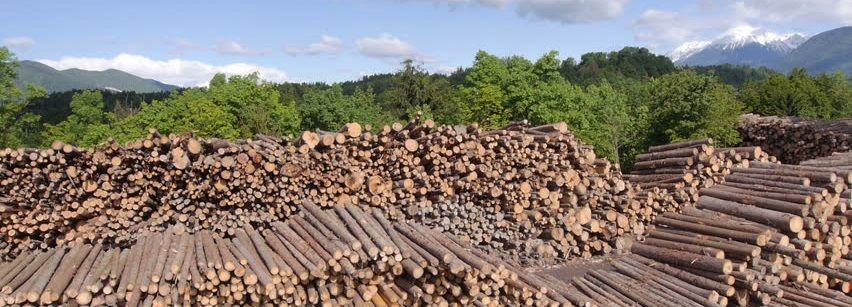
Probably half of the fibre used for paper today comes from wood that has been specifically grown for the purpose. The other half of the fibre comes from off-cuts from sawmills, recycled paper, some vegetable matter and recycled cloth.
Conifers, such as spruce and fir, have long fibres which make for strong paper whereas deciduous trees, such as beech and poplar, have shorter fibres which produce a lesser grade of paper. Due to improvements in pulp processing technology, almost any species of tree can now be used for paper making.
Some plants other than trees are suitable for paper-making. In areas without significant forests, bamboo has been used for paper pulp, as has straw and sugarcane. Flax, hemp and jute fibers are commonly used for textiles and rope making, but they can also be used for paper. Some high-grade cigarette paper is made from flax.
Cotton and linen rags are used in fine-grade papers, such as letterhead and resume paper, and for bank notes and security certificates. The rags are usually cuttings and waste from textile and garment mills.
How to Make Paper
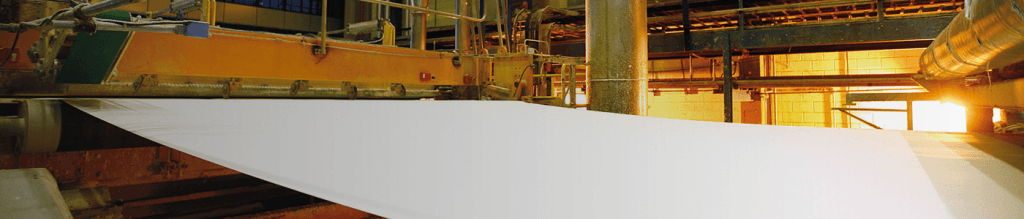
Making paper is essentially a simple process. The cellulose fibres are chopped up and cooked until they are soft but not dissolved. The resulting pulp is then pounded and squeezed to remove excessive water before being rolled flat. The flat paper is then wound onto reels to be finished (matt or glossy etc.) before being cut into quires (25 sheets), reams (500 sheets), bundles (1000 sheets) or bales (5000 sheets).

Re-Cycling Paper
We’ve all seen the recycling logo, three arrows pointing around in an endless loop. This is slightly misleading, because you cannot endlessly recycle the same piece of paper.
Recycling shortens and weakens the cellulose fibres each time the paper goes through the process until the fibres are too short and too weak to hold together as paper, which normally happens after 5 or 6 cycles. In reality, recycled paper is usually mixed with some virgin wood fibres, to hold it all together.