
I was in Poundbury last week looking at some branches that had failed, because of historical squirrel damage, and it got me thinking about sap!

Uses of Tree Sap

1. Syrup
Tree sap is commonly used for making syrups, with maple syrup being the most widely recognised example. Other types of tree sap, such as birch, can also be converted into sweeteners and offer distinctive flavours. Palm tree sap may be boiled down into palm syrup, which is utilised in various Asian and African cuisines.
2. Glue
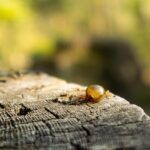
Due to its adhesive properties, tree sap has historically served as a natural glue. Native Americans made use of sap as an adhesive in tool-making and construction.
3. Varnish
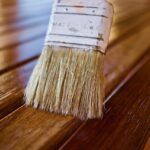
Tree sap has been employed in wood finishing as an ingredient in different varnishes. When processed with other materials, it forms a hard, glossy, translucent layer that enhances wood’s appearance and provides protection against wear, tear, and UV exposure.

4. Waterproofing
Boiled tree sap can be applied to boats, rafts, canoes, clothing, and gear to provide waterproofing. The resulting barrier repels water and helps keep items dry during heavy rainfall or when exposed to bodies of water.
5. Skin Treatment
Certain medicinal qualities of tree sap have been acknowledged in traditional medicine, particularly for its application in treating skin irritation such as eczema, bug bites, and stings. Applying sap may help soothe inflammation and support recovery.

6. Antiseptic
Some tree saps, including pine sap, possess antiseptic properties. Uncontaminated sap can be applied to cleaned cuts or scrapes to help reduce the risk of infection.
7. Soap-making
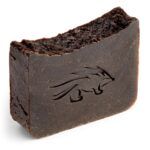
Tree sap is also used in soap-making for its fragrance and cleansing abilities. Pine tar soap is one notable example, valued for both its aroma and its ability to soothe irritated skin.
8. Lamp and Torch Fuel
The flammable nature of tree sap has allowed for its historical use as a fuel source for lamps and torches. Different sap types can burn steadily when used in these applications.

9. Insect Repellent
Although tree sap is prevalent in environments with insects, many insect species are deterred by it. Tree sap may be utilised to keep bugs away from people or campsites, either by burning it to produce smoke containing insect-repelling compounds or by applying it directly as a physical barrier.

10. Beverages
Sap-derived beverages include birch beer, which gained popularity in the early twentieth century, and birch water—a slightly sweet, low-calorie drink notable for its magnesium, manganese, and antioxidant content.