
The thickness of the tree root system varies from 0.003mm to 300mm in diameter.
The tree root system extends radially in every direction to a distance equal to at least the height of the tree (assuming no physical barriers). Typically, the majority of the tree root system is found in the upper 50cm of the soil and 90% of the tree root system is found in the top 1.0m of the soil.
The three main functions of the tree root system are
- absorption of water and nutrients
- storage of carbohydrates and chemicals
- anchorage for the trunk and crown
According to BBC Science Focus, 0.04mm width (the width of fine human hair) is just distinguishable by an individual with ‘good eyes’.
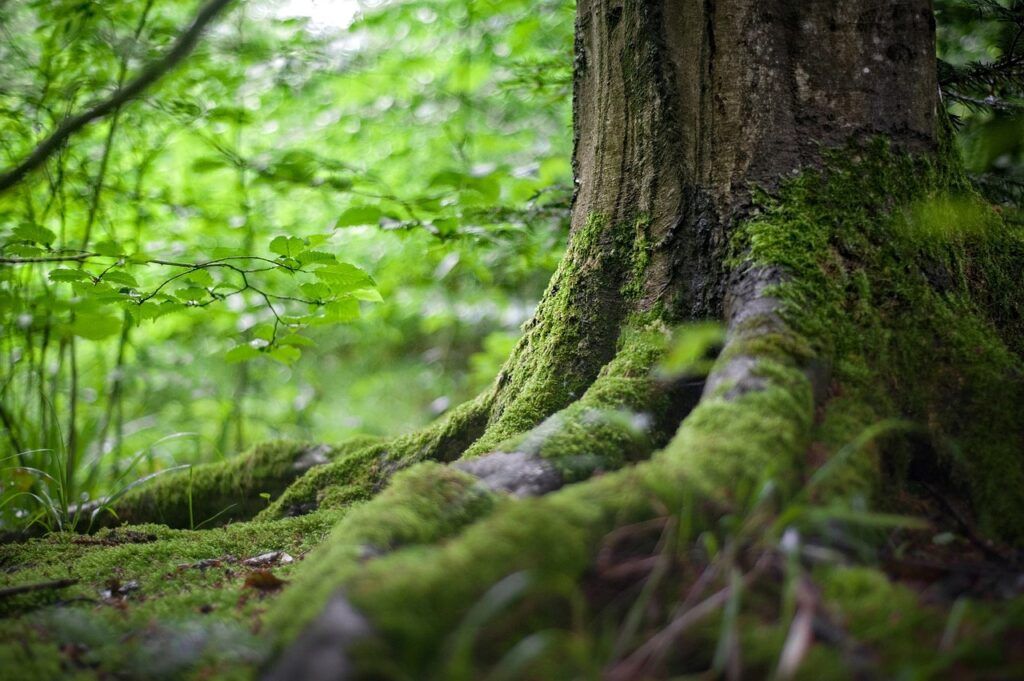
What is a System
A system is a collection of parts or processes working together in an orderly fashion as a unified whole.
The Tree Root System
The tree root system is made up of four types of roots and fungi, known as mycorrhiza. Some of the tree root system is visible to the naked eye, but much of it, the mycorrhiza, is not visible to the naked eye.

The Primary Root – The primary root or tap root grows perpendicular to the soil surface and typically extends to between 0.5m and 1.0m in depth where it often divides into smaller roots and may continue to grow downwards.
Secondary Roots – Secondary or lateral roots typically grow relatively parallel to the soil surface. Lateral roots thicken over successive years and are the large woody roots that form the framework of the root system of a tree. There are usually between four and eleven such roots which may achieve 30cm or more in diameter close to the stem of the tree. They taper rapidly until at 2.0m to 3.0m distance they are usually only 2.0 to 5.0cm in diameter, by which stage they have lost much of their rigidity and physical strength.
Tertiary Roots – Tertiary roots are the branches of the secondary roots. They are smaller in diameter than the secondary roots but larger than the feeder roots.
Feeder Roots – Feeder roots are less than 2mm in diameter ie. the same diameter as the finest weight of yarn (1.5mm – 2.5mm).

Fungi – Fungi, known as mycorrhiza, increase the surface area of the tree roots system by up to 10 times, thus dramatically increasing the root system’s ability to absorb water and nutrients. Mycorrhizal hyphae (branching filaments) are thread-like structures that make up the fungal network of mycorrhiza, and are typically very thin, measuring around a few micrometers in diameter and indistinguishable to the naked eye.
Some of the tree root system is visible to the naked eye, but much of it, together with the mycorrhiza, is not.
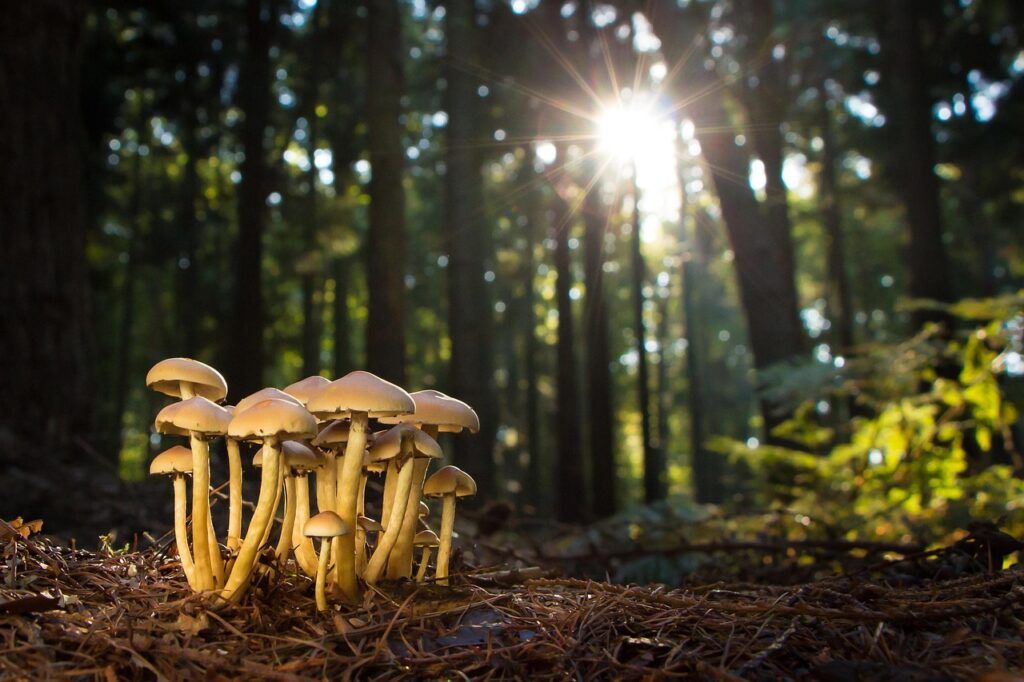
Trial Pits and Roots
Whether roots are visible or not in a trial pit will depend, at least in part, upon the distance of the trial pit from the tree; the nearer the tree, the more likely ‘roots’ will be visible. When a trial pit is dug within the radius of the root system, it may appear that there are not any roots present, but in reality, there are ‘roots’ present, it is just that they cannot be seen by the naked eye.

Reference: www.sciencefocus.com/the-human-body/how-small-can-the-naked-eye-see ARIN 130/95 ‘Tree Root Systems’