
An introduction to tree related shrink-swell (often referred to as subsidence and heave) that relates to existing low-rise commercial and domestic buildings.
Introduction
Shrink-swell is the most damaging geohazard in Britain today, costing the economy £540 million following a drought in 1991. Heat waves in 2003 and 2006 led to peaks in shrink-swell claims. More recently, the Association of British Insurers (ABI) reported that over 10,000 households made claims worth a total of £64 million during July to September in 2018 (ABI, 2018). The ABI stated that the 350% increase in the value of claims during July to September 2018 was the highest quarterly jump since records started more than 25 years ago.
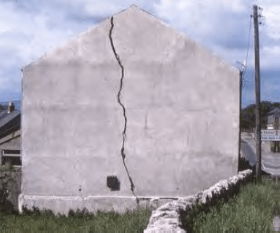
What is a shrink-swell?
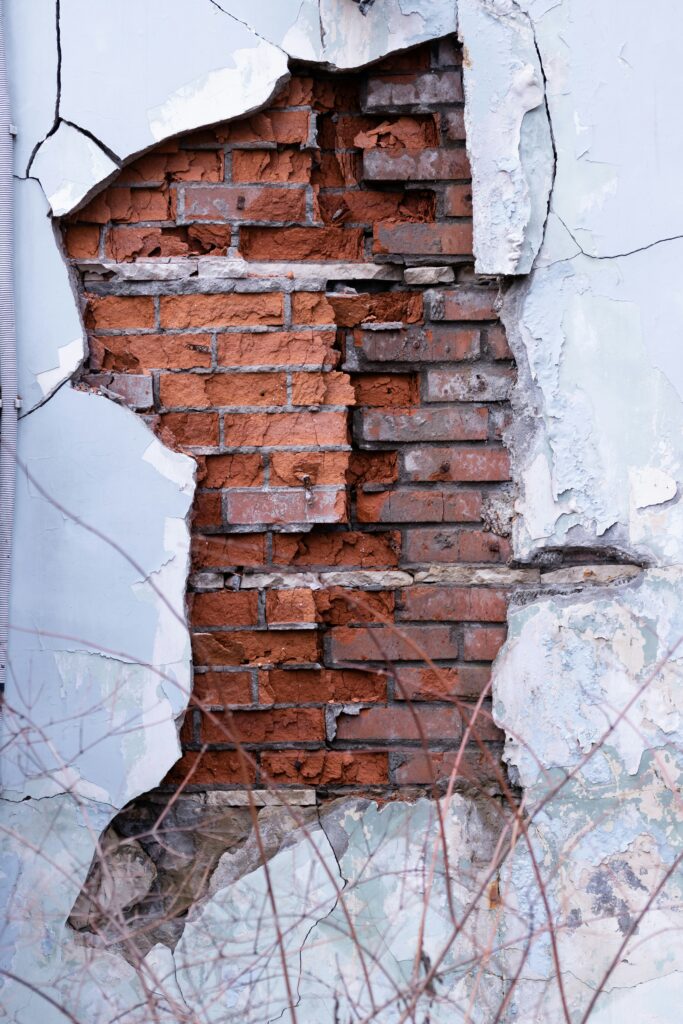
Shrink-swell only occurs where there are geological stability hazards; these geological stability hazards may be natural or man-made. The six most common ground stability hazards are:
- collapsible ground
- compressible ground
- ground dissolution
- landslips
- running sand
- swelling clay
Swelling Clays
Shrink-swell damage occurs on swelling clays, as a result of changes in the moisture content. This causes a change in volume of the clay resulting in either the ground shrinking or swelling.
Shrinkage can cause differential settlement in buildings and structures whilst swelling can cause lifting of buildings and structures.
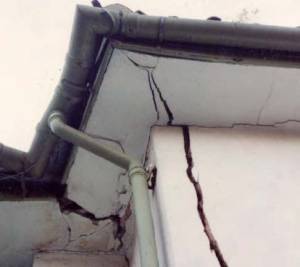
Trees and Shrink-Swell
Trees including shrubs and hedgerows extract moisture from the ground and on swelling clays this can cause shrinkage in volume. The extent to which a tree extracts moisture from the ground is determined by the species of the tree and the zone of influence.
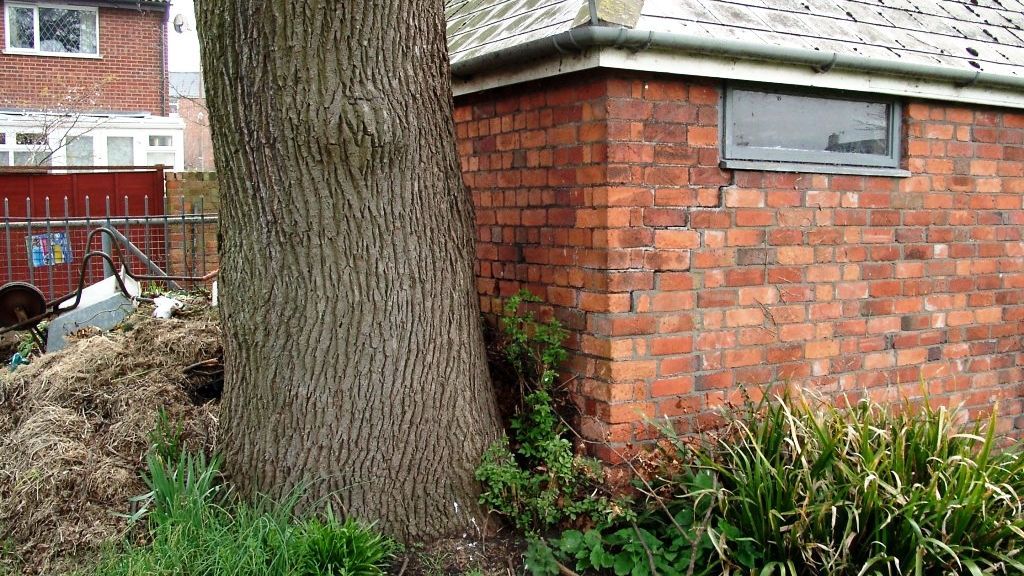
The zone of influence defines the lateral extent from which a tree extracts moisture. It is determined by the water demand and the mature height of the tree – see Table 1. The zone of influence of a tree is given in Table 2.
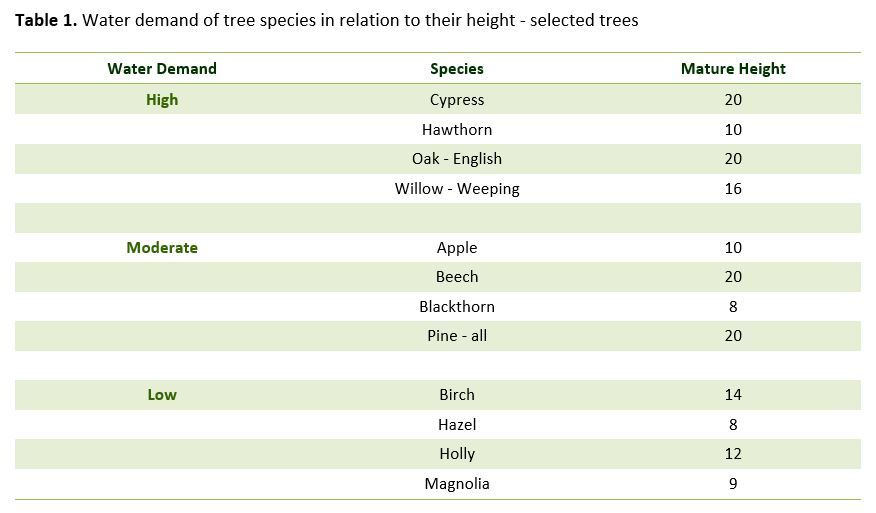
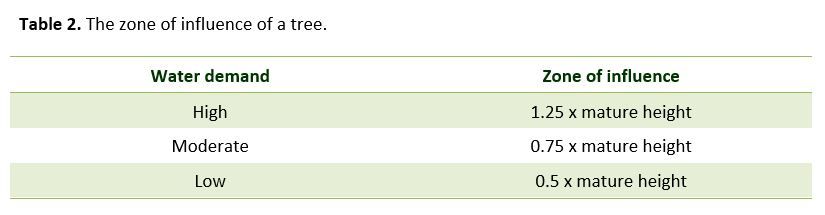
Examples: An English oak can extract soil moisture at a distance of 25m from a building whereas a holly tree can extract soil moisture at a distance of 6m from a building.
National House Building Council (NHBC)
The combination of swelling clays and trees, hedgerows or shrubs represents a potential hazard to structures that requires special consideration. Trees, hedgerows, and shrubs take moisture from the ground, and, in swelling clays, this can cause significant volume changes resulting in ground movement. This has the potential to affect foundations and damage the supported structure. In order to minimise this risk, foundations should be designed to accommodate the movement or be taken to a depth where the likelihood of damaging movement is low.
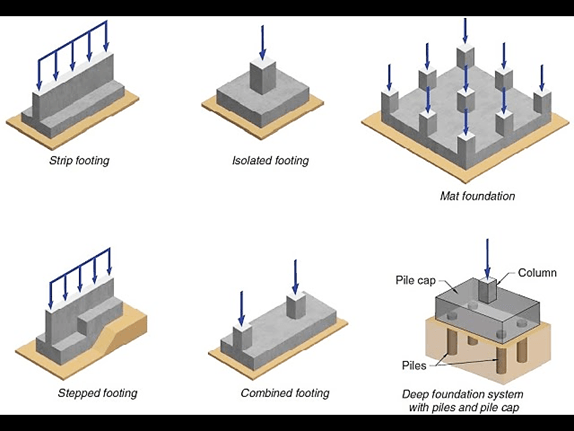
The NHBC provides guidance for common foundation types to deal with the hazard and includes suitable foundation depths which have been established from field data, research, NHBC data and practical experience.
Buildings constructed after 1989 are assumed to comply with technical requirements of the National House Building Council, and the risk posed to the supported structure by trees, hedgerows or shrubs is deemed to be acceptable.
Summary
Trees can cause or contribute to shrink-swell in the presence of swelling clays when the foundations of an existing building are inadequate. Conversely, when the foundations are adequate, regardless of the presence of swelling clays or the presence of trees, the risk of shrink-swell is insignificant.
References:
National House Building Council Chapter 4.2 Building near trees 2021
British Geological Survey Note Ground shrinking and swelling – May 2012
A British Geological Survey Natural Ground Stability Report – December 2023