The following advice applies to England only and is for guidance purposes only. Some trees are protected by legislation, and it is essential that you establish the legal status of trees prior to carrying out works to them. Unauthorised work to protected trees could lead to prosecution, resulting in enforcement action such as fines or a criminal record. Tree Preservation Orders, Conservation Areas, Planning Conditions, Felling Licences or Restrictive Covenants legally protect many trees in England.
For further information and advice, contact Hellis Solutions on 01935 814110.
Tree Preservation Orders (TPOs)
A TPO is a written order which, in general, makes it a criminal offence to cut down, top, lop, uproot, willfully damage or willfully destroy a tree protected by that order, or to cause or permit such actions, without the local authority’s permission.

Conservation Areas (CA)
Normal TPO procedures apply if a tree in a conservation area is already protected by a TPO. But if a tree in a conservation area is not covered by a TPO, you have to give written notice to the local authority of any proposed work, describing what you want to do, at least six weeks before the work starts. You do not need to give notice of work on a tree in a conservation area less than 7.5cm in diameter, measured 1.5m above the ground (or 10cm if thinning to help the growth of other trees).
Trees and the Planning System
Planning conditions are frequently used by local authority as a means of securing the retention of trees, hedgerows, and other soft landscaping on sites during development and for a period following completion of the development. If valid planning conditions are in place, then anyone wishing to undertake work to trees shown as part of the planning condition must ensure they liaise with the local authority and obtain any necessary consent or variation.
Felling Licences
Felling Licences are administered by the Forestry Commission. You do not need a licence to fell trees in a garden.
Sites of Special Scientific Interest (SSSI)
SSSIs are designated by the Statutory Nature Conservation Organisation (SNCO). Each SSSI will have a management plan and a list of operations requiring the SNCOs consent prior to carrying out works.
Restrictive Covenants
Covenants or other restrictions in the title of a property or conditions in a lease may require the consent of a third party prior to carrying out some sorts of tree work, including removing trees and hedges. This may be the case even if TPO, CA and felling licence regulations do not apply.
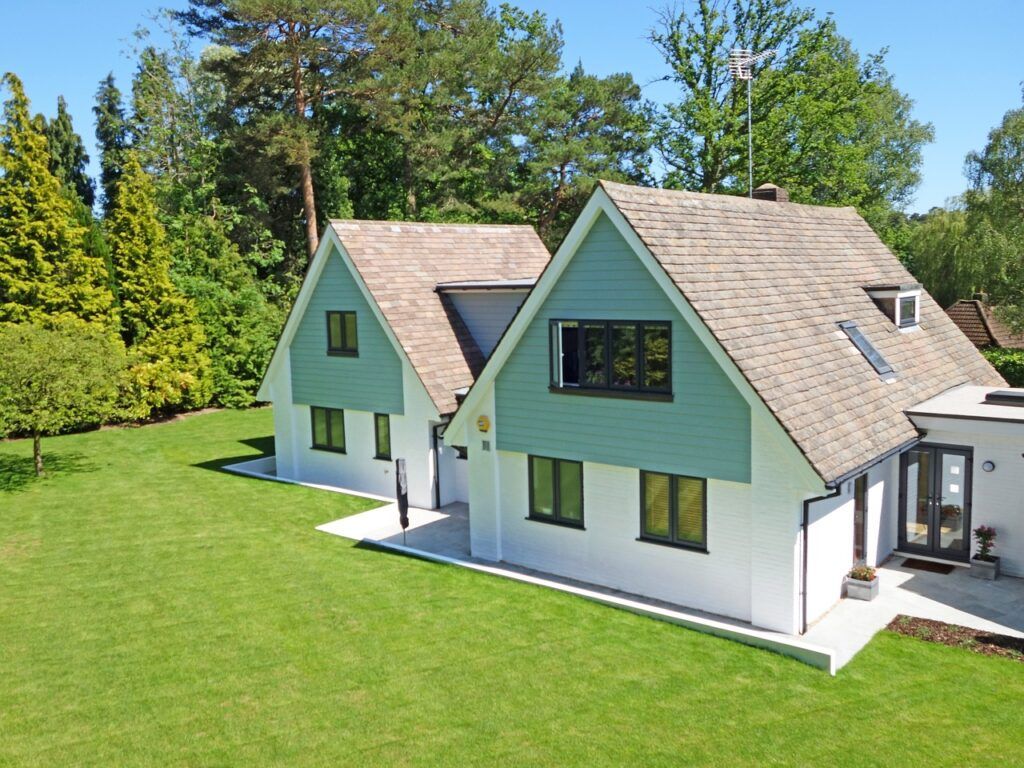
Listed Buildings
A listed building, or listed structure, is one that has been placed on one of the four statutory lists maintained by Historic England. A listed building may not be demolished, extended, or altered without special permission from the local planning authority. Listed building status does not afford protection to trees.