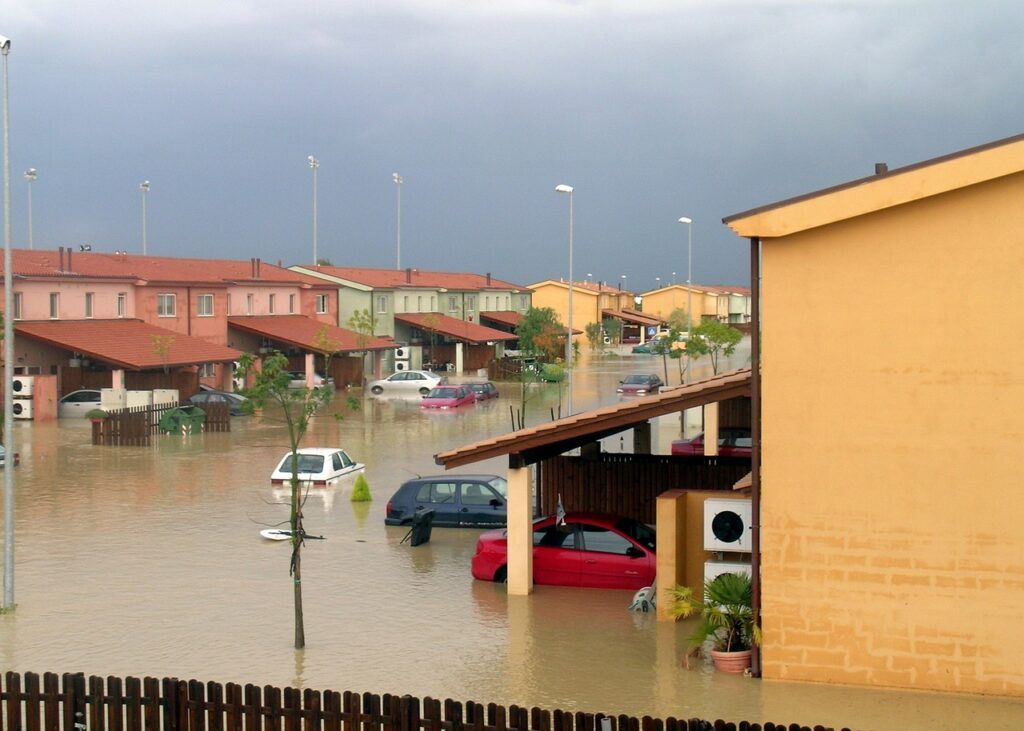
Around 5 million people live in flood risk areas in England and Wales. One in six homes in England is at risk of flooding. Annual flood damage costs are in the region of £1.1 billion across England.
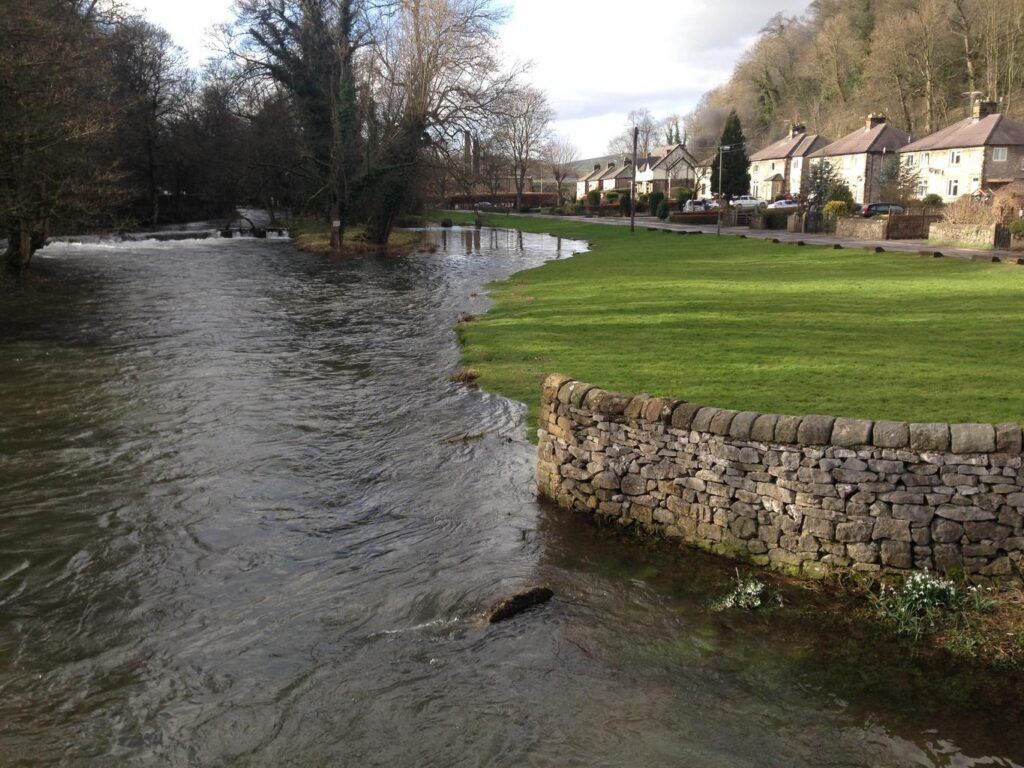
The basic flood equation is pretty simple: If a river cannot cope with the volume of water it is required to carry, the river will rise. With excessive water, the river will rise above its banks and flood the surrounding area.
The faster water runs from the watershed into the river, the higher and further a flood will extend. Thus anything that increases runoff speed from the watershed and within the flooded area, such hard surfaces, will exacerbate the situation and anything that reduces runoff speed, such as trees, will alleviate the situation.
Trees and Flood Management
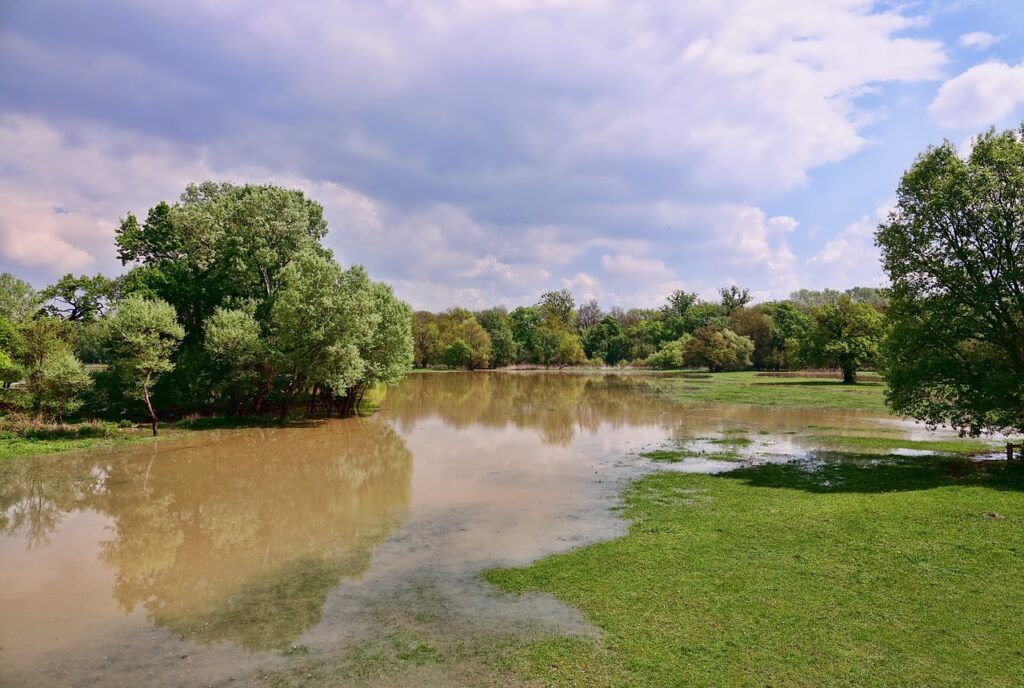
Forests, woods, trees and hedgerows reduce localised flooding and assuage the effects of larger floods in a variety of ways, including:
- Water penetrates more deeply into the woodland soils (higher infiltration rates) leading to less surface run-off.
- Trees, shrubs and large woody debris alongside rivers and streams and on floodplains act as a drag on flood waters, slowing down floods and increasing water storage.
- Trees protect soil from erosion and reduce the sediment run-off, which helps the passage of water in river channels, reducing the need for dredging.
- The greater water use of trees can reduce the volume of flood water at source.
- Trees slow the speed at which rain reaches the ground, some rainwater stays on the leaves, some rainwater evaporates into the atmosphere and even in winter deciduous trees intercept up to 12% of rainfall.
The Primary Causes of Urban Flooding
Susan Bolton, Professor of Surface Water Hydrology, suggests there are 2 primary causes of urban flooding, namely;
- Deforestation of the upland watershed causes increased peak flow and the release of sediment with vast amounts of eroded soil ending up in river beds, shrinking channels and the river’s ability to carry water without flooding.
- The main cause of urban flooding is suburban development itself, which is ‘permanent and very pavement-oriented’, and significantly increases the speed of surface runoff and severely hinders infiltration.
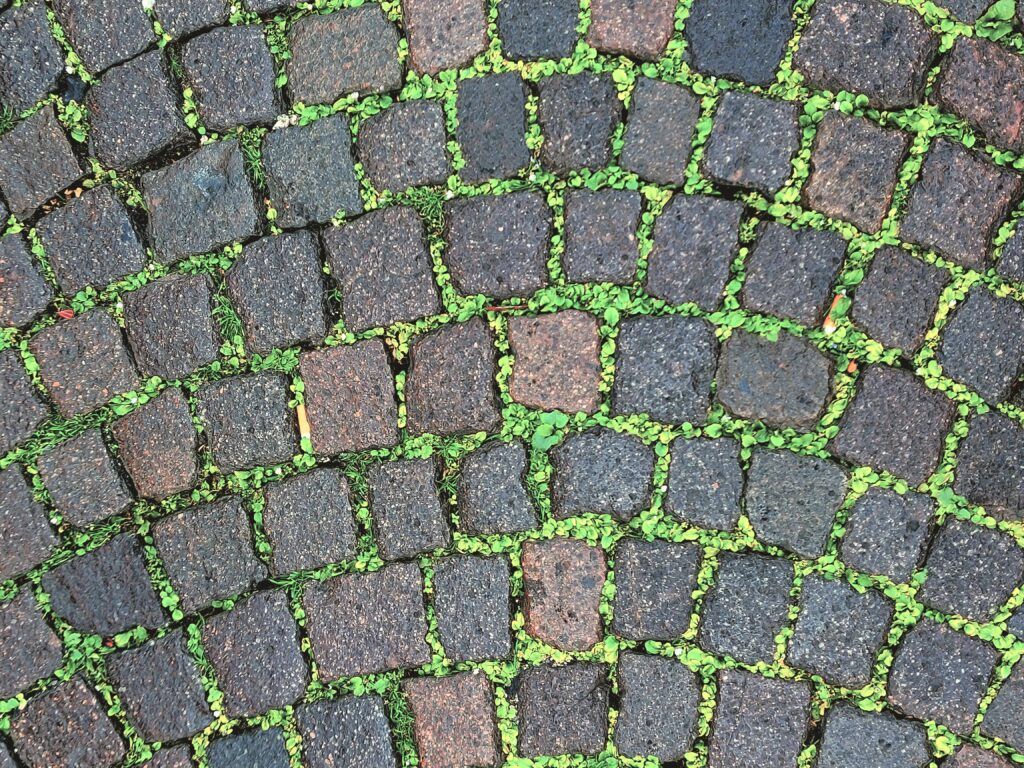
Permeable and semi-permeable paving, catch basins to recharge the groundwater, avoiding stream channelisation (so water reaches the rivers more slowly) and restoring lost/damaged wetlands and natural flood zones will all help to reduce the incidence and future extent of flooding.
If you are a school or community group in the UK and want to make a difference to your local environment, you could be eligible for